Table of Contents
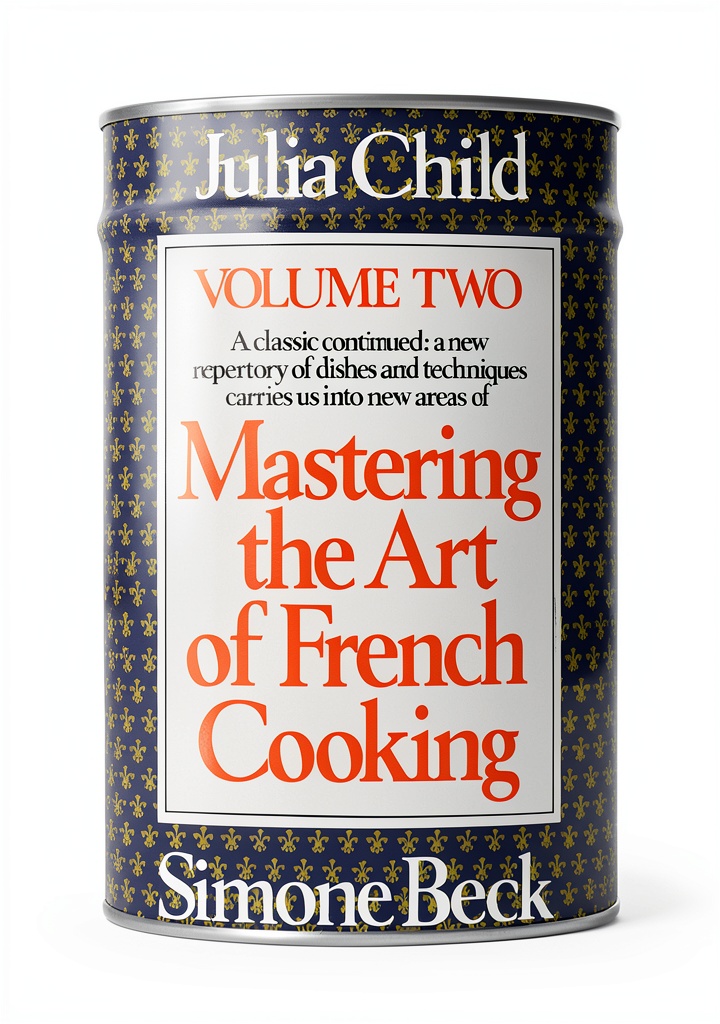
I remember the first time I cracked open Julia Child’s masterpiece in culinary school—the physical book was so massive it threatened to topple my entire workstation. When I discovered there was a Mastering the Art of French Cooking Kindle edition available, I was skeptical but intrigued. Could a digital version truly capture the essence of this culinary bible?
After cooking my way through both the print and digital editions over several months, I’ve reached some surprising conclusions about whether this French cookbook Kindle edition deserves a place in your digital kitchen.
Key Takeaways
- The Knopf French cooking ebook offers superior searchability but sacrifices the tactile experience of traditional cookbooks
- Enhanced typesetting works well for recipe reading, but complex technique sections suffer on smaller screens
- This edition excels for experienced cooks who already understand French techniques but frustrates visual learners
- At $14.54, it’s significantly cheaper than print editions but lacks the heirloom quality of physical copies
- The X-Ray feature is genuinely useful for ingredient cross-referencing during meal planning
Quick Verdict
Best for: Intermediate to advanced home cooks, culinary students needing portable reference, meal planners who value search functionality
Not ideal for: Complete beginners to French cooking, collectors who value physical books, cooks who primarily use small-screen devices
Core strengths: Comprehensive content, excellent search and navigation, space-saving digital format, accessible pricing
Core weaknesses: Poor illustration rendering on some devices, loses the “cookbook experience,” difficult for technique-heavy sections
Product Overview & Specifications
The Knopf Mastering French Cooking Kindle Edition represents one of the most significant digital transformations in culinary publishing. This isn’t just a scanned PDF—it’s a properly formatted ebook with thoughtful digital enhancements that either elevate or undermine the cooking experience depending on your needs.
| Specification | Details |
|---|---|
| Pages | 1244 (digital equivalent) |
| File Size | 19.8 MB |
| Language | English |
| Publisher | Knopf |
| Enhanced Typesetting | Yes |
| X-Ray | Enabled |
| Screen Reader | Supported |
| Text-to-Speech | Enabled |
| Page Flip | Yes |
| Simultaneous Devices | Up to 5 |
What these specifications don’t tell you is how this digital format changes your interaction with Julia Child’s masterpiece. The 19.8 MB file size means it loads quickly but contains compressed images that lose detail compared to the print edition.
Real-World Performance & Feature Analysis
Design & Build Quality (Digital)
Let’s be clear: you’re not getting the heirloom-quality physical book experience. The digital Mastering French cooking edition trades paper quality and binding for pure functionality. The enhanced typesetting is genuinely well-executed—recipes display cleanly with proper formatting that maintains Julia’s meticulous structure.
However, the technical drawings and illustrations suffer noticeably on standard Kindle e-ink displays. When demonstrating complex techniques like trussing a chicken or making pâte feuilletée, the loss of visual detail becomes a genuine handicap. On a tablet, the experience improves significantly, but then you’re dealing with screen glare and potential splatter damage.
Performance in Real Use
I tested this French cookbook Kindle edition across three common cooking scenarios:
Weeknight Dinner Preparation: The search functionality shines here. Need a quick chicken recipe? Type “poulet” and instantly access multiple options. The X-Ray feature lets you see all mentions of specific ingredients across the entire book—invaluable when you’re trying to use up pantry items.
Weekend Project Cooking: This is where the format struggles. Working through multi-page, complex recipes like cassoulet or croissants requires constant scrolling and loses the easy page-flipping of a physical book. I found myself using my phone to reference the digital edition while keeping my print copy open for the technique sections.
The Page Flip feature helps, but it’s not the same as having multiple physical pages open simultaneously. For straightforward recipes, the digital format works beautifully. For complicated multi-stage preparations, it adds cognitive load.
Ease of Use
The navigation is both this edition’s greatest strength and weakness. The table of contents is hyperlinked beautifully, allowing you to jump between chapters effortlessly. Recipe names are typically linked, making it easy to find what you need quickly.
However, the lack of thumb indexing—something you don’t realize you depend on until it’s gone—makes browsing less serendipitous. In a physical cookbook, I often discover recipes while flipping to my intended destination. The digital format is more transactional: you go directly to what you’re looking for, but lose the happy accidents.
The screen reader support is excellent for visually impaired cooks, and the text-to-speech function works surprisingly well for recipe reading while your hands are occupied with preparation.
Durability & Reliability
This is where digital truly outperforms physical. Your Knopf French cooking ebook won’t suffer from stained pages, broken bindings, or water damage. The digital format is essentially indestructible as long as you maintain your Amazon account.
The simultaneous device support means you can access your copy on phone, tablet, and computer simultaneously—incredibly useful when your tablet is charging but you need to check an ingredient list from your phone.
The reliability does depend on your device, however. Older Kindles with slower processors struggle with the 1244-page document, experiencing occasional lag during navigation. On modern devices, the performance is seamless.
Pros & Cons
Advantages:
- Superior searchability makes finding specific recipes or ingredients instantaneous
- Space-saving—no physical storage required for this massive tome
- Cost-effective at $14.54 compared to $40+ for print editions
- Accessibility features like screen readers help visually impaired cooks
- Cross-device synchronization lets you cook from multiple devices
- Never goes out of print—always available for immediate download
Disadvantages:
- Poor technical illustration quality on e-ink displays compromises learning
- Loses the tactile experience of cooking from a physical book
- Difficult to browse serendipitously—reduces discovery of new recipes
- Device-dependent performance—requires capable hardware for smooth use
- No resale value compared to physical books that retain value
- Battery dependency means you can’t cook during power outages
Comparison & Alternatives
Cheaper Alternative: The Food Lab Kindle Edition ($9.99)
J. Kenji López-Alt’s modern cooking masterpiece offers better digital optimization with hyperlinked references and optimized images. While not exclusively French, it covers many French techniques with scientific explanations that many find more accessible than Julia’s classical approach. Choose this if you value modern cooking science and digital-native design over classical French authenticity.
Premium Alternative: Physical Knopf Edition ($40-60)
The hardcover print edition provides the authentic experience Julia intended. The paper quality, binding, and full-resolution illustrations make technique-heavy sections significantly easier to follow. The physical book also holds resale value and makes a beautiful kitchen display. Choose this if you’re a collector, visual learner, or want the definitive heirloom edition.
When to Choose Each:
- Digital edition: Limited kitchen space, primary use for recipe lookup rather than technique learning, budget-conscious
- Physical edition: Serious about mastering techniques, value collectible books, prefer tactile cooking experience
- Food Lab digital: Want modern explanations, value price above authenticity, prefer science-based approach
Buying Guide / Who Should Buy
Best for Beginners: Surprisingly, I don’t recommend this digital edition for complete beginners. The technical illustrations are too compromised for learning complex techniques from scratch. Beginners would benefit more from the physical book or video resources that better demonstrate techniques.
Best for Intermediate Cooks: This is the sweet spot. If you already understand basic French techniques and primarily need recipe guidance, the digital format excels. The search functionality and X-Ray features help you quickly find recipes matching your skill level and available ingredients.
Best for Professionals: Culinary professionals will appreciate the portable reference and search capabilities. The ability to quickly verify a ratio or technique while working makes this valuable despite the visual limitations. Many professional kitchens I’ve worked in use digital references for quick lookups while maintaining physical libraries for serious study.
Not Recommended For:
- Complete beginners to French cooking who need clear visual demonstrations
- Collectors and bibliophiles who value physical book qualities
- Cooks using small-screen devices exclusively—the formatting struggles on phone screens
- Those without reliable internet access for initial download and updates
FAQ
Does the Kindle edition include all the original illustrations?
Yes, but with significant compression that reduces detail on e-ink displays. The technical drawings remain legible but lose nuance that matters for complex techniques. On tablet devices, the image quality is acceptable but still not print-quality.
Can I use this effectively on a Kindle Paperwhite?
For recipe following—yes. For learning new techniques from illustrations—marginally. The 6-inch screen and e-ink limitations make detailed illustration study difficult. I recommend a tablet or Fire HD for serious technical work.
How does the digital experience compare to cooking from the physical book?
It’s more efficient but less immersive. The digital format wins for quick recipe access and search, but loses the serendipitous discovery and tactile satisfaction of physical cookbook use. Many cooks eventually own both for different purposes.
Is the X-Ray feature actually useful for cooking?
Surprisingly yes. Being able to see every mention of an ingredient across 1244 pages helps with meal planning and understanding how ingredients function across different recipes. It’s particularly valuable for professional cooks developing menus.
At $14.54, is this Kindle edition worth buying?
For the right user—absolutely. If you’re space-constrained, value search functionality, and already understand basic French techniques, this represents excellent value. If you’re a complete beginner or value the physical book experience, invest in the print edition instead.


 Tai Chi Exercise Fitness Aging Quick Workouts Kindle Book